Get Septic Tank Dye Testing in Gwinnett County, GA
Septic Tank Dye Testing services help Gwinnett County property owners identify leaks, locate tank boundaries, and troubleshoot system issues with experienced local contractors.
Septic tank dye testing services are an important step for property owners in Gwinnett County, GA, who want to ensure their septic systems are functioning properly. Whether you're planning a property renovation, preparing for a real estate transaction, or simply want to verify the integrity of your existing system, this testing method provides valuable insights. By identifying potential leaks or malfunctions early, property owners can avoid costly repairs and ensure compliance with local regulations, making it a practical consideration for many in the area.
For those exploring options for septic system maintenance or troubleshooting, connecting with experienced local contractors can help clarify the best approach for your specific needs. Comparing different service providers in Gwinnett County allows property owners to find qualified professionals capable of conducting thorough dye testing. Keep reading to learn more about how these services can support your planning projects and help maintain the health of your septic system.
- Septic Tank Dye Testing - needed when suspecting leaks or blockages in residential or commercial septic systems.
- Septic Tank Dye Testing - useful for property inspections before buying or selling a home in neighborhoods across Gwinnett County, GA.
- Septic Tank Dye Testing - required when diagnosing persistent odors or slow drains linked to septic system issues.
- Septic Tank Dye Testing - recommended after recent repairs or maintenance to verify system integrity.
- Septic Tank Dye Testing - performed when checking for potential contamination risks near private or community septic fields.
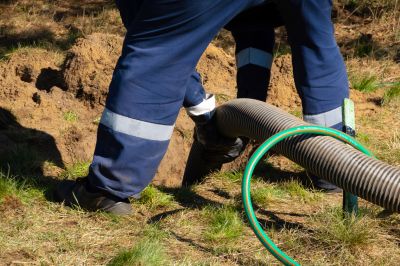
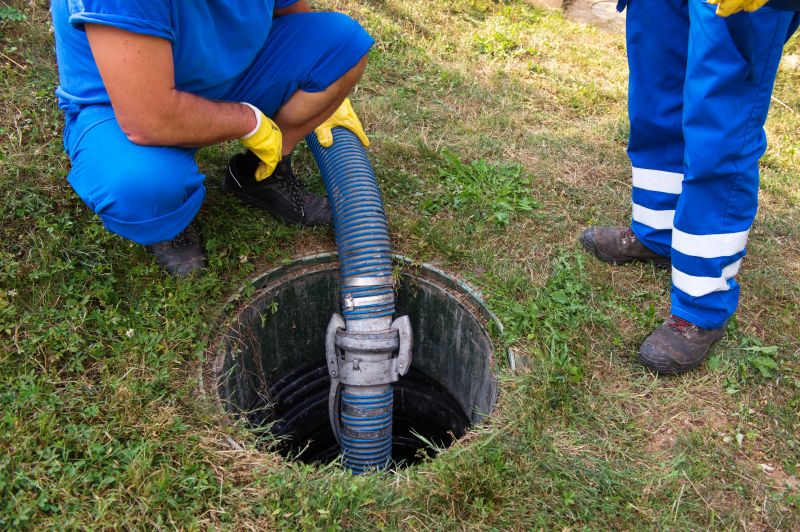
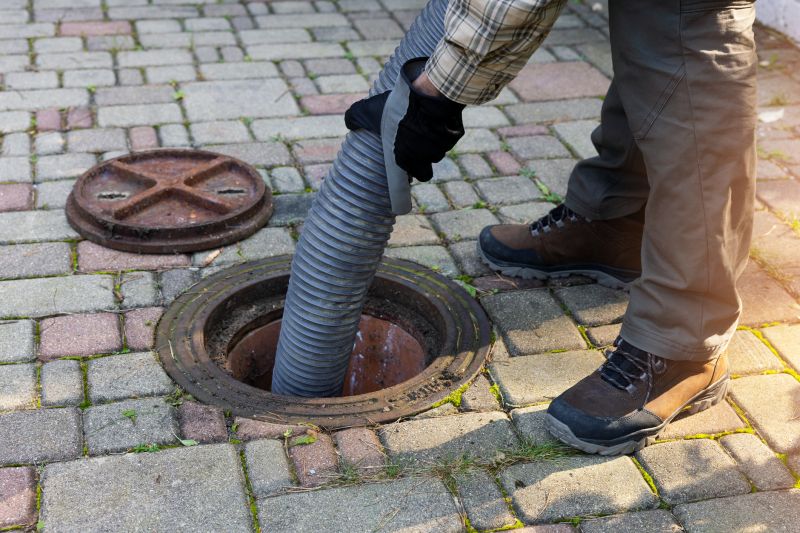
Septic tank dye testing is a practical service used to evaluate the condition and functionality of a property's septic system. During the process, a special dye is introduced into the septic tank, and then monitored to see if it flows through the system as expected. This method helps identify leaks, blockages, or other issues that might be affecting the system’s performance. It provides a clear and efficient way to determine whether the septic system is working properly or if repairs are needed, making it a valuable step before purchasing a home or scheduling maintenance.
This service is particularly useful for diagnosing common septic system problems such as leaks, which can lead to groundwater contamination or foul odors, and blockages that cause backups or slow drainage. Septic dye testing can also reveal if the system is not absorbing wastewater efficiently, indicating potential failure or the need for repairs. By pinpointing these issues early, homeowners can avoid more costly repairs or health hazards down the line. It’s an effective diagnostic tool for ensuring that a septic system is functioning safely and reliably.
Properties that typically benefit from septic tank dye testing include homes with private septic systems, especially those in rural or semi-rural areas where municipal sewer connections are not available. It’s also frequently used during real estate transactions to verify the condition of the septic system before completing a sale. Additionally, properties that have experienced drainage problems, persistent odors, or unexplained wet spots in the yard may require dye testing to identify underlying issues. This service is suitable for residential properties of various sizes, from small homes to larger estates, where septic system integrity is a concern.
Hiring experienced service providers for septic tank dye testing ensures that the evaluation is thorough and accurate. Local contractors who specialize in septic system diagnostics can perform the testing efficiently and provide detailed insights into the system’s condition. Whether for routine inspections, troubleshooting ongoing problems, or assessing a property before purchase, contacting qualified professionals can help homeowners and buyers make informed decisions. Proper testing and diagnosis can lead to timely repairs, better system management, and peace of mind about the health of the property’s wastewater infrastructure.
The overview below groups typical Septic Tank Dye Testing projects into broad ranges so you can see how smaller, mid-sized, and larger jobs often compare in Gwinnett County, GA.
In many markets, a large share of routine jobs stays in the lower and middle ranges, while only a smaller percentage of projects moves into the highest bands when the work is more complex or site conditions are harder than average.
Smaller Repairs - Typical costs for routine dye testing of small septic tanks generally range from $250 to $600. Many local service providers handle these standard inspections within this price band, which covers most common residential jobs.
Mid-Size Projects - For average-sized systems requiring dye testing, costs usually fall between $600 and $1,200. These projects often involve additional diagnostics or minor repairs, and most contractors work within this range.
Larger or Complex Jobs - More extensive testing for larger or more complicated septic systems can range from $1,200 to $3,000. Fewer projects reach into this higher tier, which typically involves detailed diagnostics or multiple system components.
Full System Replacement - Complete replacement or major system overhauls with dye testing can exceed $5,000, though such projects are less common. Local pros providing these services can assess the scope to provide accurate estimates based on specific needs.
Actual totals will depend on details like access to the work area, the scope of the project, and the materials selected, so use these as general starting points rather than exact figures.
Drain Field Inspection - local contractors use similar dye testing techniques to identify leaks and blockages in underground drain fields for septic systems.
Leach Field Repair - dye testing skills help determine the source of system failures and guide repair strategies for septic drain fields.
Septic System Maintenance - professionals utilize dye testing to monitor system performance and detect early signs of failure or contamination.
Underground Pipe Locating - dye testing methods assist in tracing underground pipes and identifying potential issues with septic system components.
Septic Tank Pumping & Cleaning - dye testing can be part of the process to ensure proper flow and identify areas needing cleaning or inspection.
Environmental Site Assessments - experts apply dye testing to evaluate subsurface conditions related to septic system impact on soil and groundwater.
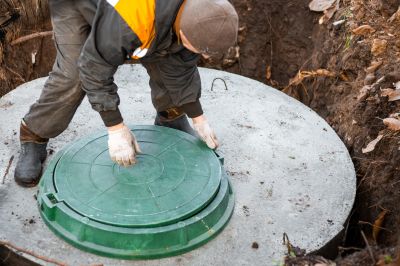
When comparing septic tank dye testing services in Gwinnett County, it’s important to consider the experience of local contractors with similar projects. A provider who has handled a range of septic system inspections can bring valuable insight and familiarity with the specific challenges that may arise. Homeowners should look for service providers who can demonstrate a history of successfully completing dye testing for properties comparable to their own, ensuring they have the practical knowledge needed to perform thorough and accurate assessments.
Clear written expectations are essential when evaluating potential service providers. Homeowners should seek out contractors who can provide detailed descriptions of what the dye testing process involves, what the inspection covers, and any preparations required before the appointment. Having this information in writing helps establish a mutual understanding of the scope of work and ensures that all parties are aligned on the steps involved, reducing the chance of surprises or misunderstandings during the project.
Reputable references and effective communication are key factors in selecting a dependable septic dye testing provider. Homeowners are encouraged to ask for references or reviews from previous clients to gauge the quality of service and professionalism. Additionally, choosing a contractor who communicates clearly and promptly can make the process smoother, allowing for questions to be addressed and expectations to be managed effectively. It’s important to remember that this site introduces homeowners to local service providers capable of handling dye testing, but it does not perform the work itself.
Property owners in Gwinnett County, GA use Septic Tank Dye Testing services for practical projects around their homes and businesses. This guide focuses on everyday jobs and straightforward project options.
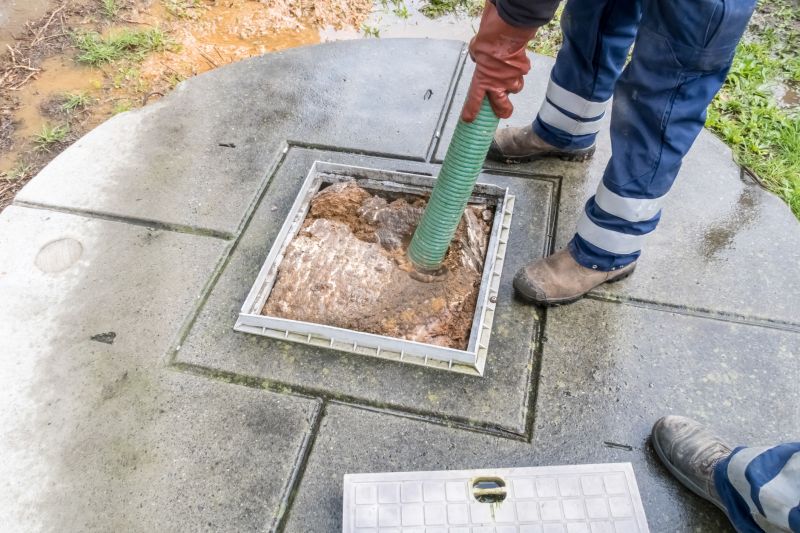
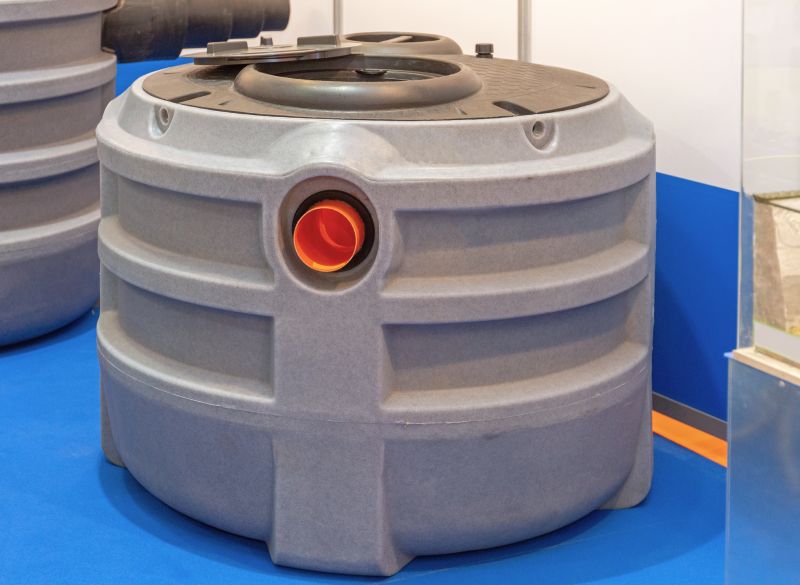
Septic tank dye testing services are often needed when property owners in Gwinnett County, GA, suspect a leak or blockage in their septic system. For example, if wastewater is backing up into the home or there’s an unpleasant odor around the property, local contractors can perform dye tests to help identify the source of the problem. These tests are also useful when buying or selling a home, as they can verify the integrity of the septic system before completing a transaction. Property owners might seek out these services to ensure their system is functioning properly and to avoid costly repairs caused by undetected leaks or failures.
Additionally, residents and property managers may look for dye testing when planning renovations or additions that could impact the septic system. If new structures or landscaping are being considered, local service providers can assess whether the existing system can handle the increased load or if adjustments are needed. Septic dye testing can also be part of routine inspections to help maintain the system’s longevity and prevent future issues. Connecting with experienced local contractors ensures that these assessments are thorough and that any necessary repairs or maintenance are identified early.
What is septic tank dye testing used for? Septic tank dye testing helps identify the flow and functioning of a septic system by introducing a safe dye into the tank and observing its movement through the system.
How do local contractors perform dye testing? Contractors typically add dye to the septic tank and monitor its movement through the pipes and drain field to detect leaks or blockages.
Is dye testing effective for locating septic system issues? Yes, dye testing is a common method for pinpointing problems such as leaks, clogs, or improper flow within a septic system.
Can dye testing help determine if a septic system is working properly? Yes, it allows service providers to assess whether the septic system is functioning as intended by observing dye movement.
Why should I consider hiring a local contractor for dye testing? Local service providers have experience with area-specific septic systems and can perform accurate testing to help diagnose issues effectively.
Identify septic system issues - Septic dye testing can help property owners detect leaks or blockages in their septic tanks during routine inspections.
Verify system performance - Property owners planning renovations or additions can use dye testing to ensure the septic system is functioning properly before starting work.
Locate underground pipes - When installing new landscaping or driveways, dye testing can assist in pinpointing existing septic lines to avoid damage.
Assess system integrity - Homeowners preparing to sell a property may use dye testing to confirm the septic system’s condition for potential buyers.
If you are thinking about Septic Tank Dye Testing for a property in Gwinnett County, GA, this guide is meant to help you understand the work, the typical project types, and how different options might fit your plans.
When you are ready, you can use the quote form on this page to share a few details about your project. From there, local pros can review the basics and respond with options that match what you have in mind.